


The Situational Spark
Use what’s happening around you to start naturally: “That chart on onboarding drop‑off was eye‑opening. Which part landed most for you?” Or, “I noticed we both laughed at the ROI joke—clearly we’ve survived a dashboard or two.” Situational sparks feel authentic, require zero memorization, and invite a collaborative moment. They quietly build rapport without forcing your resume or agenda into the first breath of connection.
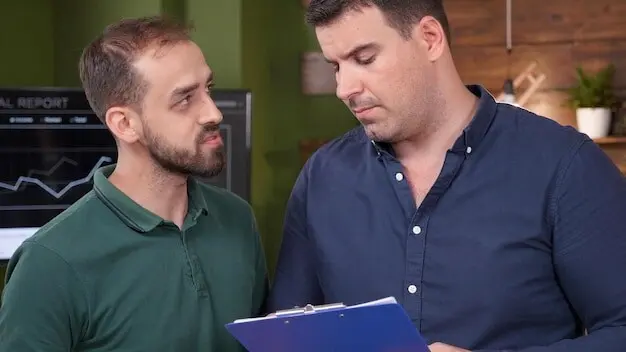
Compliment Plus Curious Question
Blend a precise compliment with a question that invites depth: “I appreciated how clearly you framed the partner risks without scaring the room. How did you learn to strike that balance?” The compliment shows attention, not flattery; the question opens a story, not a yes‑no corner. This pairing transforms icebreakers into mini‑interviews where the other person feels respected, interesting, and safe to keep talking generously.

Borrowed Insight From The Stage
Reference a speaker’s idea to triangulate connection: “When Priya mentioned ‘silent churn,’ it reminded me of our pilot last quarter. Did that concept resonate with your team’s reality?” Borrowed insights reduce pressure to be original, create shared context fast, and allow the other person to reflect thoughtfully. It’s a simple bridge from public conversation to private relevance, which is exactly where trust begins taking root.